Surgery
The New Sculptors
A generation of facial plastic surgeons is trading exaggeration for restraint — and their patients can't tell where the work begins or ends. That's exactly the point.
By Vivienne Marsh · Executive Editor, Surgery · 14 min read
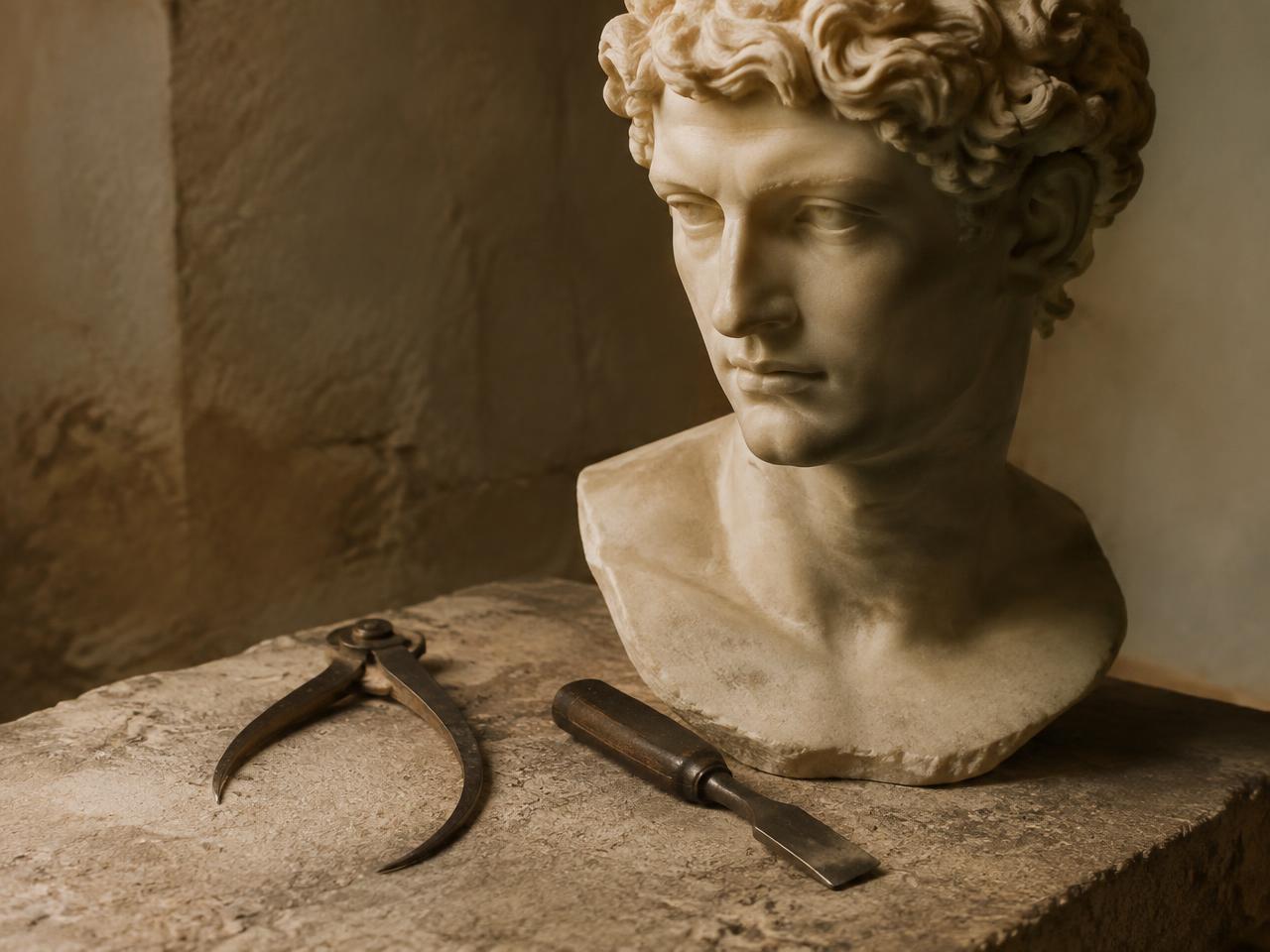
For decades, the telltale signs of facial surgery were worn like a uniform: the windswept brow, the over-projected nose, the jawline that belonged to someone twenty years younger and no one in particular. The best surgeons in the world spent their careers fighting that aesthetic — and losing, mostly, to a culture that rewarded visible transformation.
Something has shifted. In operating rooms from Beverly Hills to Seoul, a new generation of surgeons describes their work in a vocabulary borrowed less from architecture and more from restoration: preservation, tension, harmony. The goal is no longer to build a new face but to return an old one — the patient's own, from a decade they remember fondly.
Call it the restorative turn. Deep-plane techniques that reposition rather than pull. Fat grafting measured in milliliters, not syringes. Rhinoplasty planned on the principle that the nose should disappear into the face rather than command it. The operating philosophy, one surgeon told us, is simple: “My patients want to be recognized, not audited.”
“The highest compliment in modern surgery is that no one can tell. The second highest is that everyone wants to know who did it.”
Technology has been a quiet accelerant. Preoperative imaging now simulates outcomes in three dimensions, and the conversation happens before a single incision is planned. Patients arrive having seen their own future face — and, crucially, having seen the surgeon say no to the version of it that would have looked done.
The economics follow the aesthetics. Revision work — correcting someone else's exaggeration — has become a specialty of its own, commanding some of the highest fees in the field. Restraint, it turns out, is also the more defensible position in an era when every outcome lives forever on a phone.
What unites the new sculptors is a refusal: no signature look, no house style, no before-and-after that reads as advertising. Their work, when it goes well, is invisible. The demand for it is anything but.
Next in Skin
The Barrier, Decoded
Read the story